
Microservices are not a modernization badge. They are a trade. You exchange local simplicity for distributed complexity, and you only win that trade when your organisation can operate it.
That is why this series exists.
Across the industry, cloud native adoption is now the norm. The 2024 CNCF annual survey reports 89% of respondents using cloud native approaches. Meanwhile, developer data shows microservices and API gateways are widely used, but the deeper reliability practices that make distributed systems survivable are still far from standard.
So the question is no longer “should we do microservices because everyone else is doing it”. The question is “do we have the product, platform, and delivery system that makes microservices a net win for our outcomes”.
This series is a pragmatic guide for leaders who want the benefits without the self inflicted chaos.
What this series will do, and will not do
What we will do.
• Treat architecture as a business decision, with explicit criteria and measurable outcomes.
• Show how to migrate incrementally, without reckless big bang rewrites.
• Put the hard parts up front: team ownership, CI CD, observability, data consistency, cost, and governance.
• Keep the guidance vendor neutral, so you can apply it whether you run on public cloud, hybrid, or regulated environments.
What we will not do.
• We will not sell microservices as a default target state. In many cases, a well structured monolith or modular monolith is the better architecture for stability and throughput. Thoughtworks makes a similar point when arguing that modular monoliths can reduce the complexity and defect risk that microservices introduce.
• We will not pretend distributed systems are “just code refactoring”. They are an operating model shift.
• We will not ignore the organisational constraints that shape architecture. Conway’s Law is not a philosophy quote, it is a production reality.
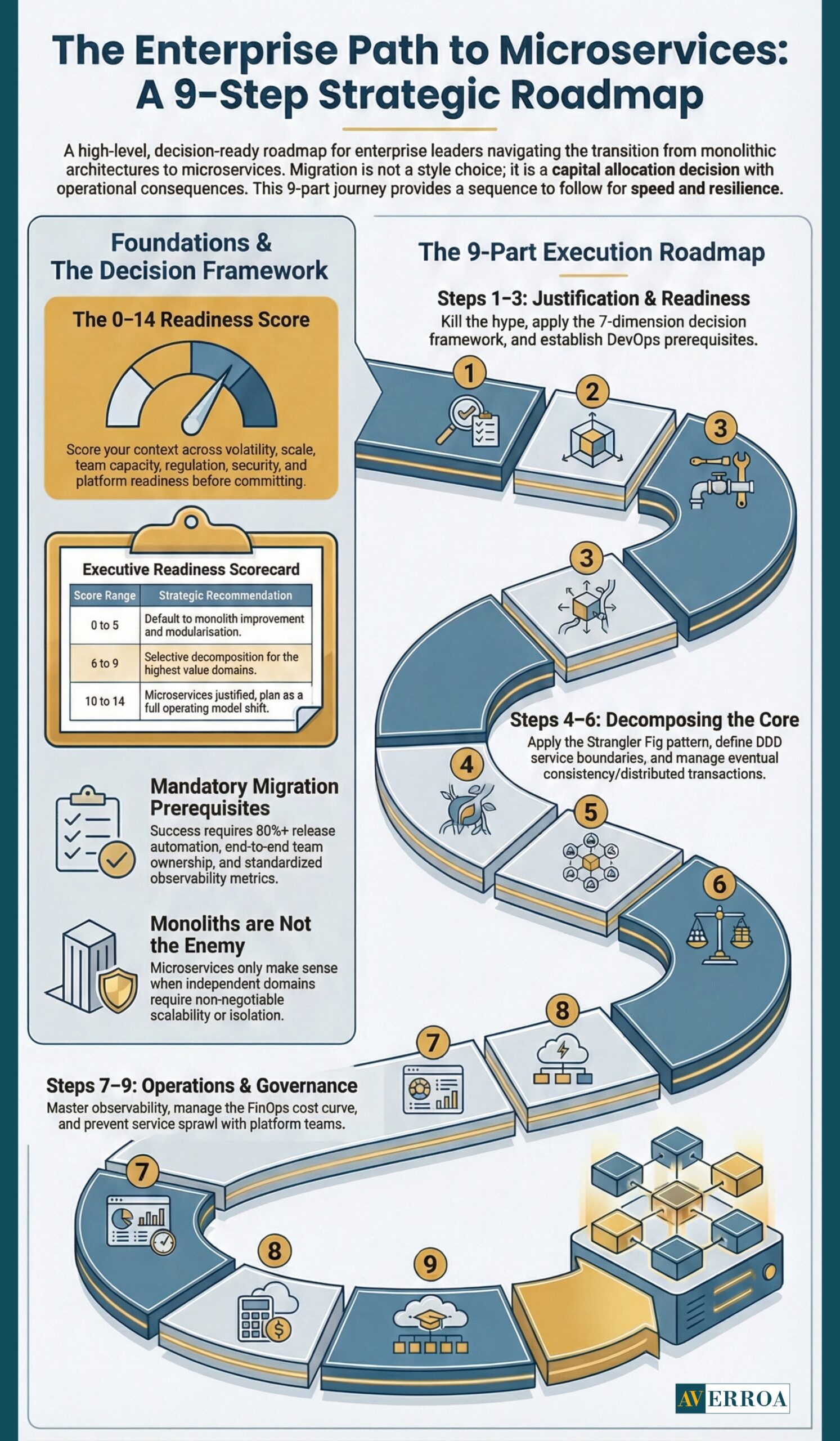
The migration journey in nine parts
This series is structured as a sequence you can follow, or as a reference you can dip into based on where you are today.
-
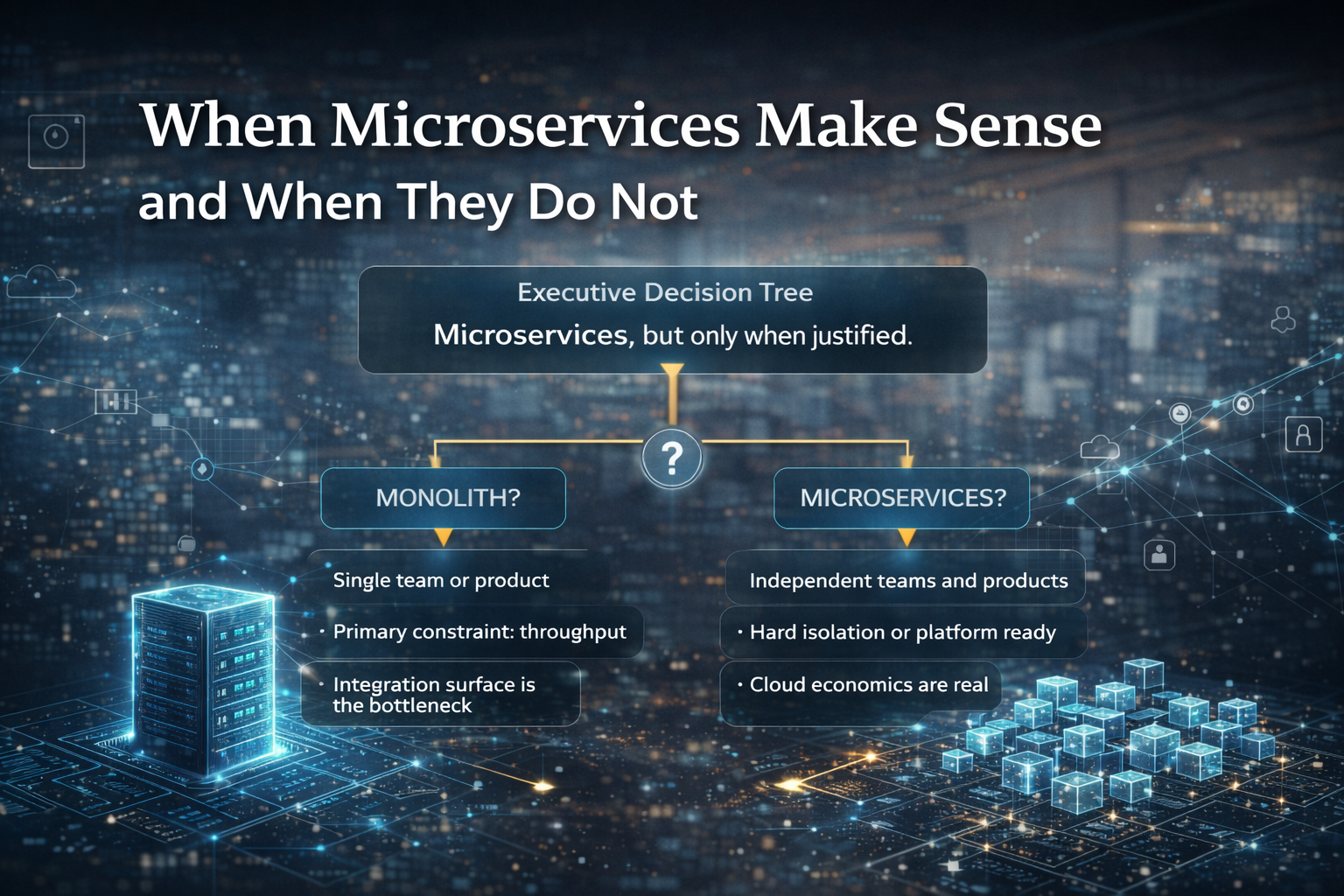
Monoliths are not the enemy, when microservices actually make sense
You start by killing hype and clarifying when microservices are genuinely justified. -
Should you migrate at all, a decision framework
A criteria-based decision model covering volatility, scale, team topology, and compliance pressure. -
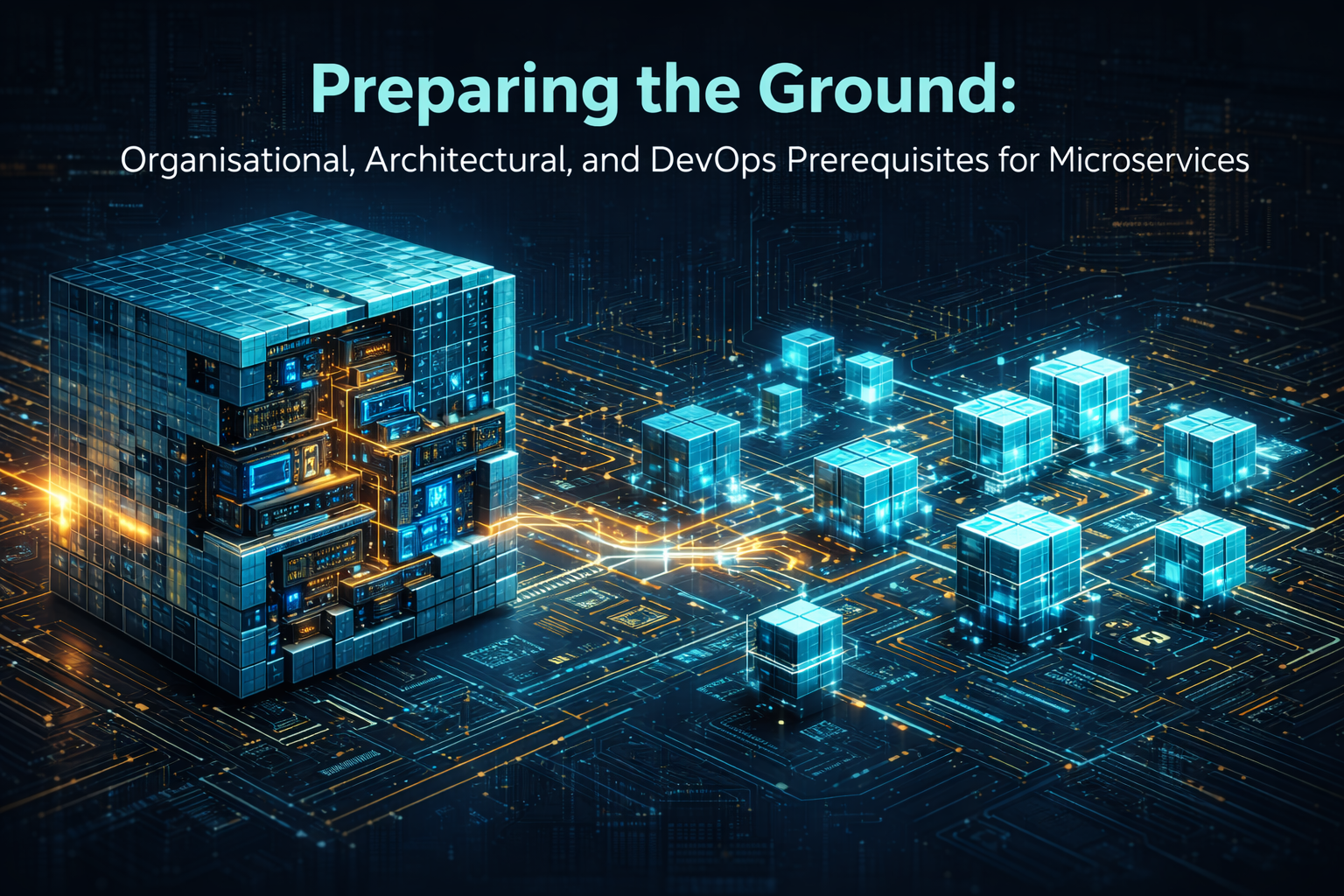
Preparing the ground, organisational, architectural, and DevOps prerequisites
Most migrations fail before the first service ships, due to missing CI CD, observability, ownership, and governance. -
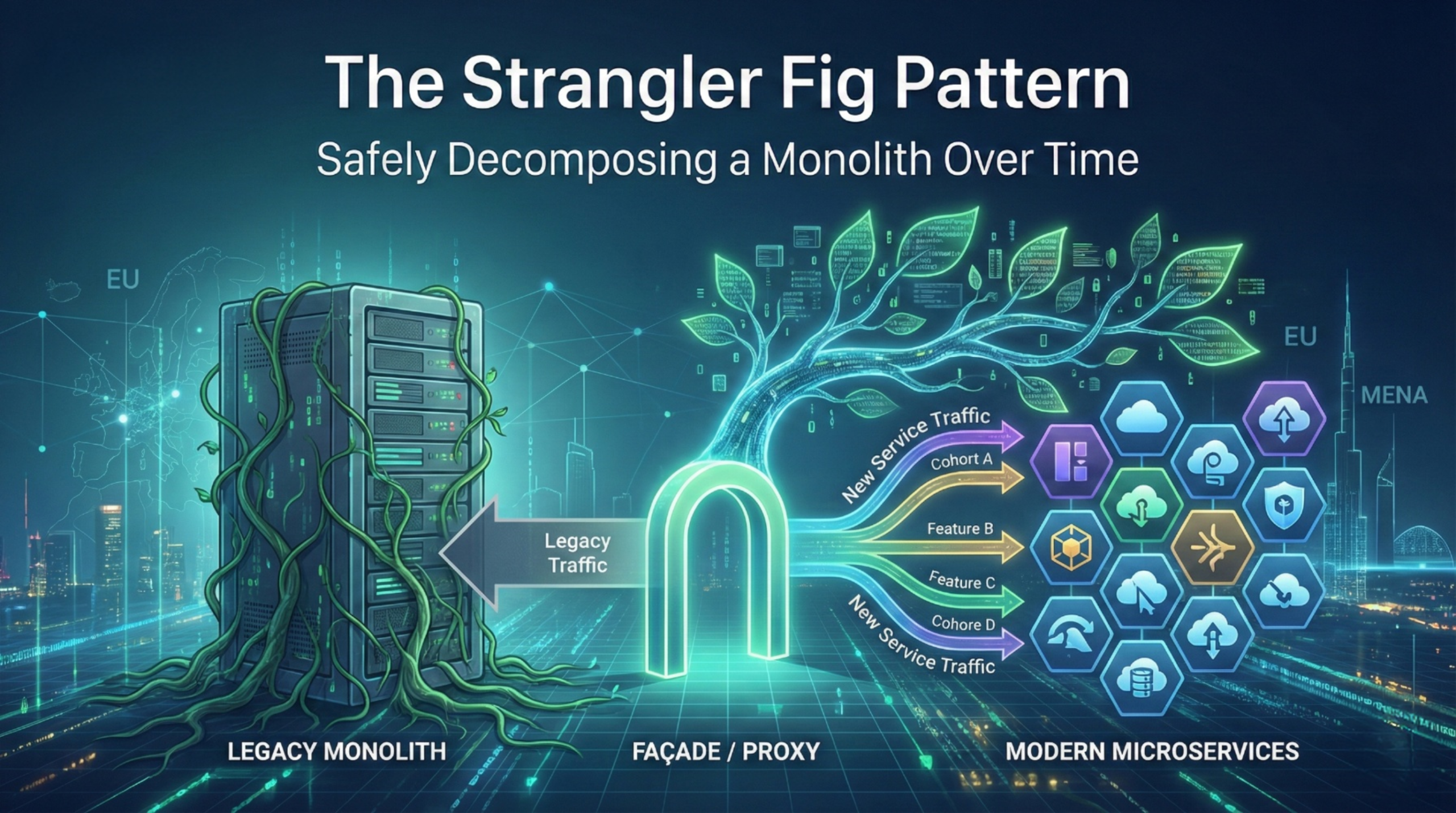
The Strangler Fig pattern, decomposing safely over time
The dominant low risk migration approach, popularized by Martin Fowler, that replaces capability gradually and keeps value flowing. -
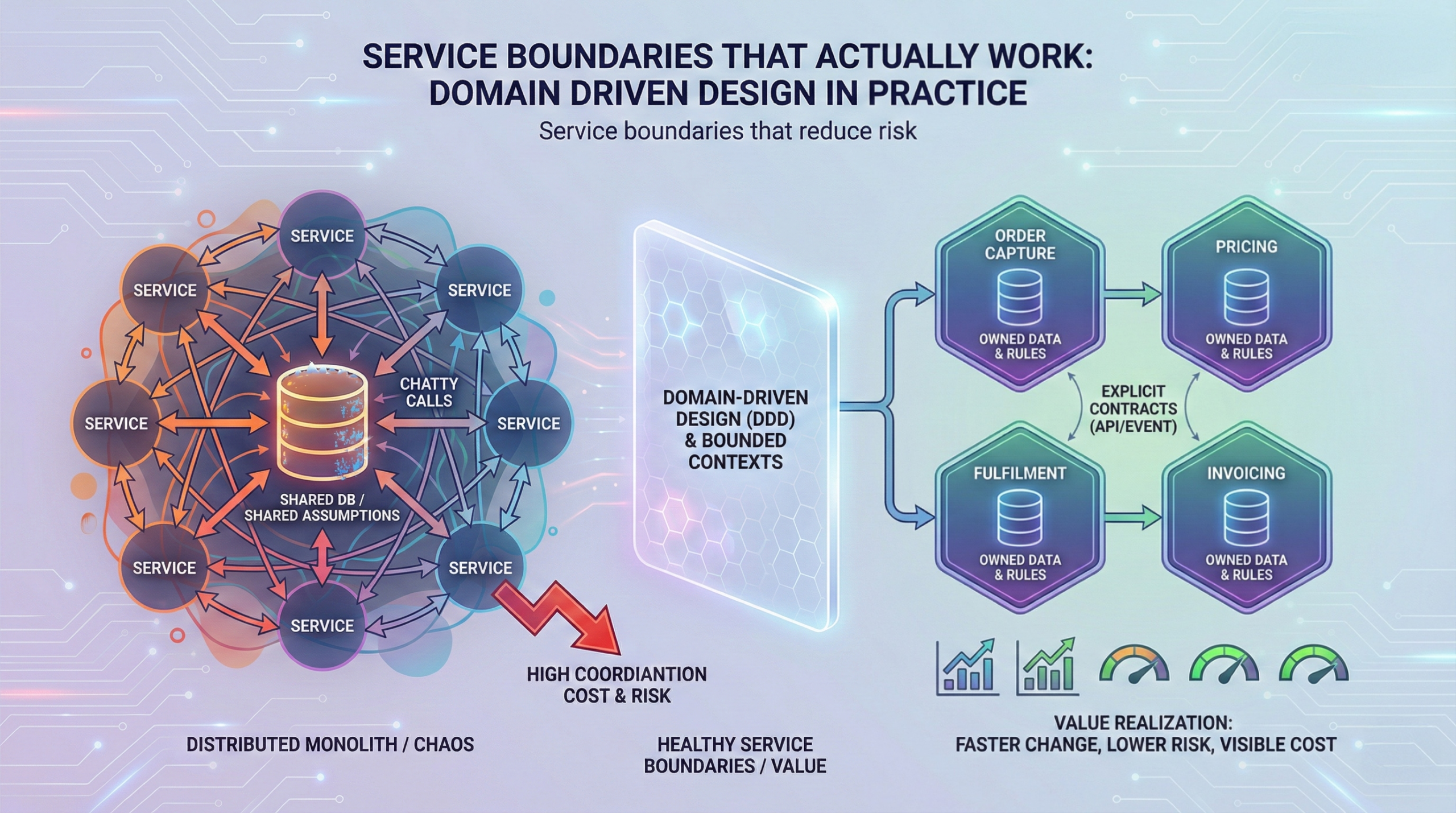
Service boundaries that actually work, DDD in practice
How to slice by business capability, avoid coupling, and design boundaries that survive change. Microsoft explicitly recommends using DDD bounded contexts to define service boundaries, and warns against overly granular services that increase complexity. -
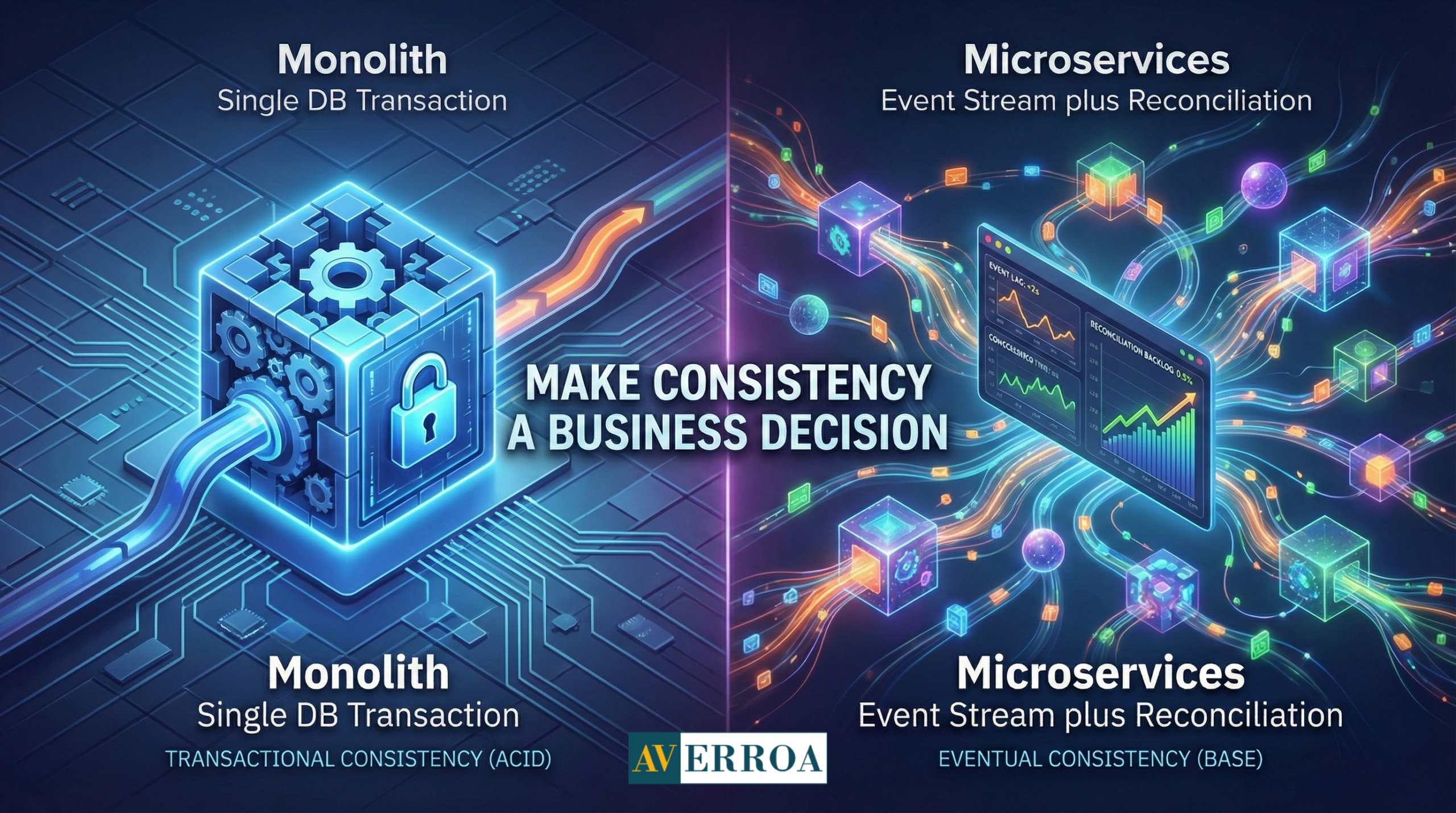
Data is the hard part, consistency and distributed transactions
How to avoid shared databases, how to think about eventual consistency, and what tradeoffs you are accepting. -
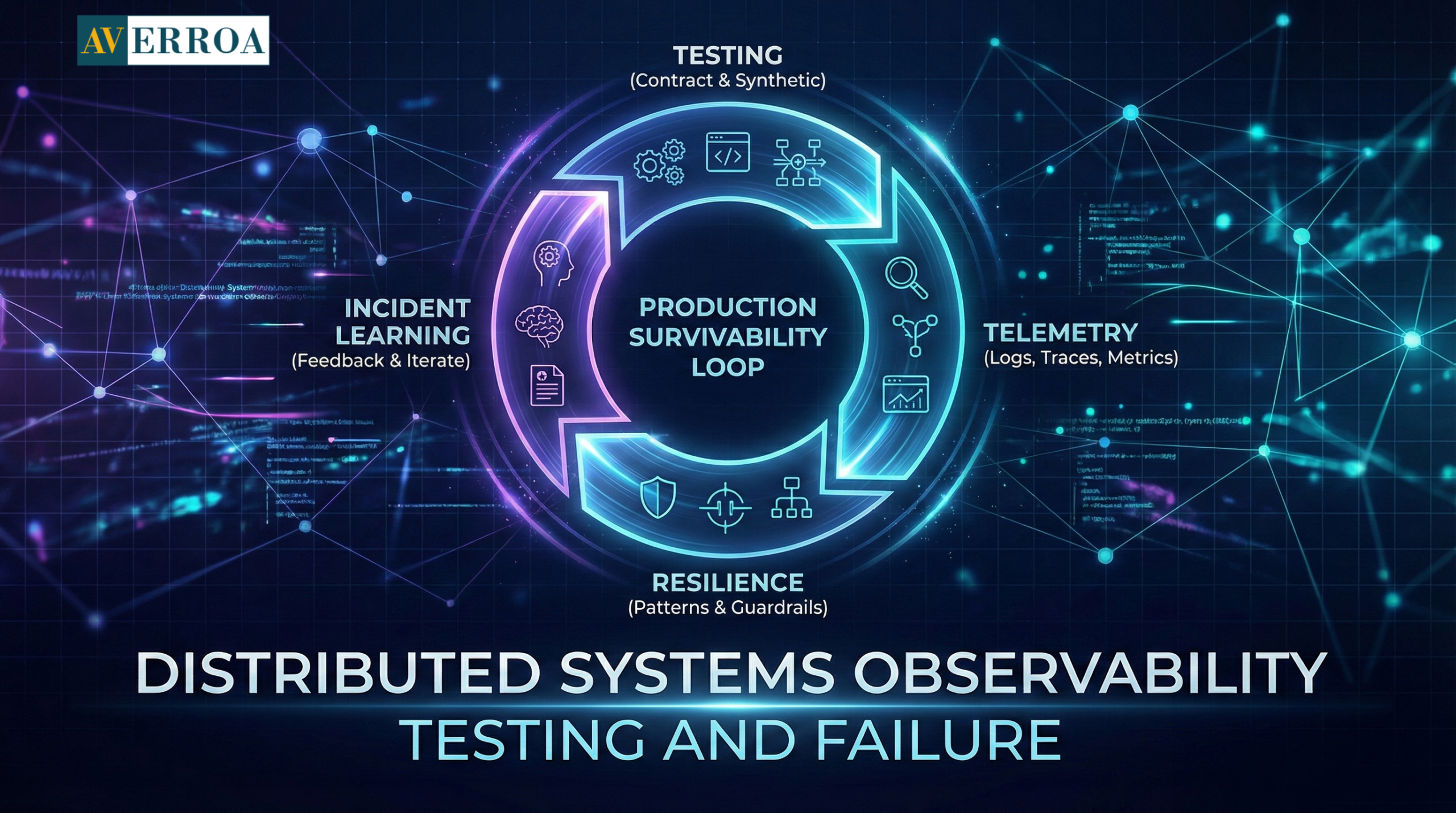
Operational reality, testing, observability, and failure in distributed systems
Moving from “it works” to “it survives production”, including resilience patterns and incident response maturity. -
The hidden cost curve, performance, cloud spend, and economics
Microservices are not inherently cheaper. You need FinOps discipline to manage cloud economics as a first class constraint. FinOps Foundation defines FinOps as an operational framework and cultural practice to maximize business value and create financial accountability through collaboration. -
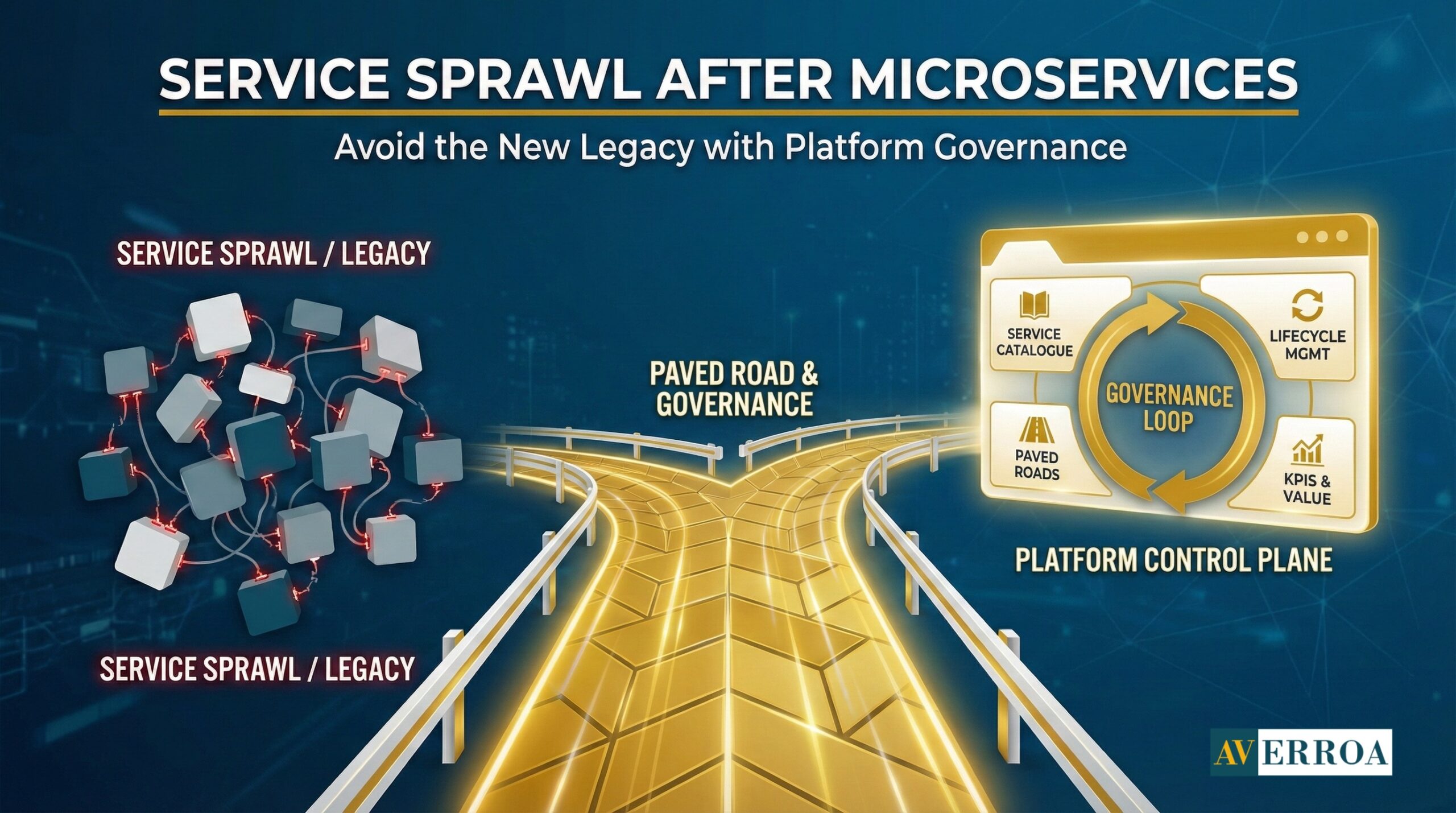
Life after migration, when microservices become the new legacy
Preventing service sprawl, investing in platform teams, and building internal developer experience so the architecture stays governable.


How to use this series inside your organisation
- If you are an executive sponsor: read Articles 1, 2, and 8 first. They frame the decision, the risk, and the economics.
- If you are an engineering leader: read Articles 3, 4, 6, and 7 first. They cover the prerequisites and operational survival.
- If you are a product and domain leader: read Article 5 first. Boundaries are where architecture meets business reality.
Then use the series as a shared language. The fastest path to failure is leadership speaking “strategy” while engineering speaks “patterns” and finance speaks “cost”, with no common operating model.
A practical measurement anchor: use delivery performance metrics as guardrails. DevOps Research and Assessment (DORA) documents core delivery metrics like deployment frequency, lead time, change failure rate, and time to restore service, which are useful for tracking whether the migration is improving outcomes or just creating motion.
Why Averroa is publishing this
Because clients do not need more architecture theatre. They need decision clarity, execution discipline, and production-grade operating practices.
- Microservices done well can unlock:
• Faster independent delivery for high volatility domains
• Better alignment to business capabilities
• Improved scaling and resilience, when the platform is mature - Microservices done poorly create:
• Distributed monoliths
• Spiraling cloud spend
• Brittle integration and slow incident recovery
• Governance debt that becomes the next legacy
This series is designed to keep you in the first category.
Microservices are not a modernization badge. They are a trade. You exchange local simplicity for distributed complexity, and you only win that trade when your organisation can operate it.
That is why this series exists.
Across the industry, cloud native adoption is now the norm. The 2024 CNCF annual survey reports 89% of respondents using cloud native approaches. Meanwhile, developer data shows microservices and API gateways are widely used, but the deeper reliability practices that make distributed systems survivable are still far from standard.
So the question is no longer “should we do microservices because everyone else is doing it”. The question is “do we have the product, platform, and delivery system that makes microservices a net win for our outcomes”.
This series is a pragmatic guide for leaders who want the benefits without the self inflicted chaos.
What this series will do, and will not do
What we will do.
• Treat architecture as a business decision, with explicit criteria and measurable outcomes.
• Show how to migrate incrementally, without reckless big bang rewrites.
• Put the hard parts up front: team ownership, CI CD, observability, data consistency, cost, and governance.
• Keep the guidance vendor neutral, so you can apply it whether you run on public cloud, hybrid, or regulated environments.
What we will not do.
• We will not sell microservices as a default target state. In many cases, a well structured monolith or modular monolith is the better architecture for stability and throughput. Thoughtworks makes a similar point when arguing that modular monoliths can reduce the complexity and defect risk that microservices introduce.
• We will not pretend distributed systems are “just code refactoring”. They are an operating model shift.
• We will not ignore the organisational constraints that shape architecture. Conway’s Law is not a philosophy quote, it is a production reality.
The migration journey in nine parts
This series is structured as a sequence you can follow, or as a reference you can dip into based on where you are today.
-
Monoliths are not the enemy, when microservices actually make sense
You start by killing hype and clarifying when microservices are genuinely justified. -
Should you migrate at all, a decision framework
A criteria-based decision model covering volatility, scale, team topology, and compliance pressure. -
Preparing the ground, organisational, architectural, and DevOps prerequisites
Most migrations fail before the first service ships, due to missing CI CD, observability, ownership, and governance. -
The Strangler Fig pattern, decomposing safely over time
The dominant low risk migration approach, popularized by Martin Fowler, that replaces capability gradually and keeps value flowing. -
Service boundaries that actually work, DDD in practice
How to slice by business capability, avoid coupling, and design boundaries that survive change. Microsoft explicitly recommends using DDD bounded contexts to define service boundaries, and warns against overly granular services that increase complexity. -
Data is the hard part, consistency and distributed transactions
How to avoid shared databases, how to think about eventual consistency, and what tradeoffs you are accepting. -
Operational reality, testing, observability, and failure in distributed systems
Moving from “it works” to “it survives production”, including resilience patterns and incident response maturity. -
The hidden cost curve, performance, cloud spend, and economics
Microservices are not inherently cheaper. You need FinOps discipline to manage cloud economics as a first class constraint. FinOps Foundation defines FinOps as an operational framework and cultural practice to maximize business value and create financial accountability through collaboration. -
Life after migration, when microservices become the new legacy
Preventing service sprawl, investing in platform teams, and building internal developer experience so the architecture stays governable.
How to use this series inside your organisation
- If you are an executive sponsor: read Articles 1, 2, and 8 first. They frame the decision, the risk, and the economics.
- If you are an engineering leader: read Articles 3, 4, 6, and 7 first. They cover the prerequisites and operational survival.
- If you are a product and domain leader: read Article 5 first. Boundaries are where architecture meets business reality.
Then use the series as a shared language. The fastest path to failure is leadership speaking “strategy” while engineering speaks “patterns” and finance speaks “cost”, with no common operating model.
A practical measurement anchor: use delivery performance metrics as guardrails. DevOps Research and Assessment (DORA) documents core delivery metrics like deployment frequency, lead time, change failure rate, and time to restore service, which are useful for tracking whether the migration is improving outcomes or just creating motion.
Why Averroa is publishing this
Because clients do not need more architecture theatre. They need decision clarity, execution discipline, and production-grade operating practices.
- Microservices done well can unlock:
• Faster independent delivery for high volatility domains
• Better alignment to business capabilities
• Improved scaling and resilience, when the platform is mature - Microservices done poorly create:
• Distributed monoliths
• Spiraling cloud spend
• Brittle integration and slow incident recovery
• Governance debt that becomes the next legacy
This series is designed to keep you in the first category.
Meet The Author
Meet The Author

Senior software engineer focused on backend systems and Android apps, delivering scalable web/mobile/cloud solutions. Leads technical direction, mentors teams, and ships high-performance services using ASP.NET Core/C#, microservices, and cloud-native infrastructure.
Senior software engineer focused on backend systems and Android apps, delivering scalable web/mobile/cloud solutions. Leads technical direction, mentors teams, and ships high-performance services using ASP.NET Core/C#, microservices, and cloud-native infrastructure.
Averroa Principal