Most organizations worry about the migration itself. The quieter risk arrives 12 to 24 months later: service sprawl. Teams keep shipping services, the catalogue grows, ownership blurs, and the platform becomes harder to change than the monolith it replaced. That is how microservices become the new legacy.
Most organizations worry about the migration itself. The quieter risk arrives 12 to 24 months later: service sprawl. Teams keep shipping services, the catalogue grows, ownership blurs, and the platform becomes harder to change than the monolith it replaced. That is how microservices become the new legacy.
Insights
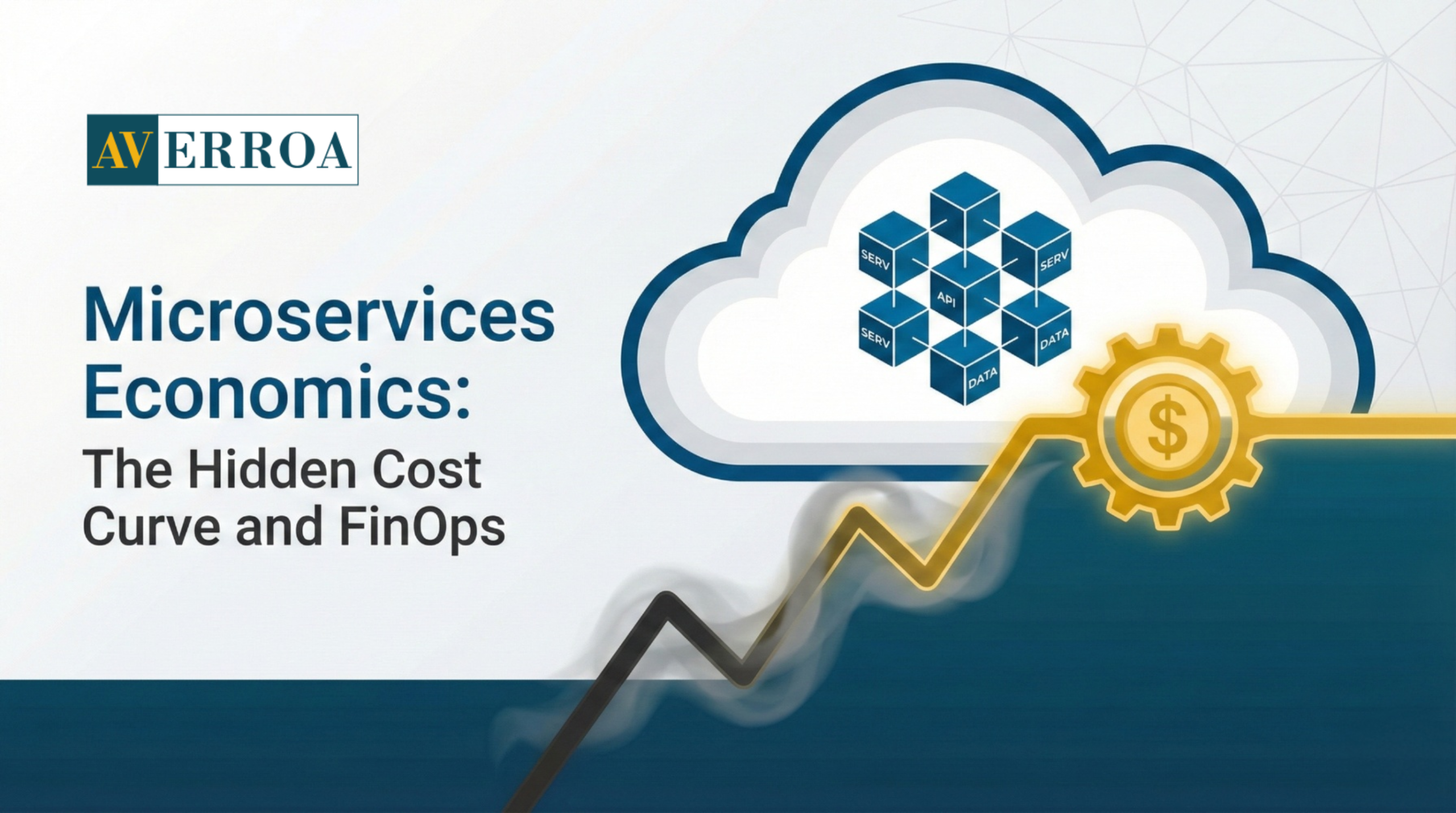
Microservices economics is where many enterprise migrations either earn trust or lose it. The architecture may be “modern”, but the bill, the latency, and the on call load often move in the wrong direction first. That is not a surprise. It is the default outcome when you increase the number of deployable units, duplicate data, add telemetry, and run legacy and new in parallel.
Microservices economics is where many enterprise migrations either earn trust or lose it. The architecture may be “modern”, but the bill, the latency, and the on call load often move in the wrong direction first. That is not a surprise. It is the default outcome when you increase the number of deployable units, duplicate data, add telemetry, and run legacy and new in parallel.
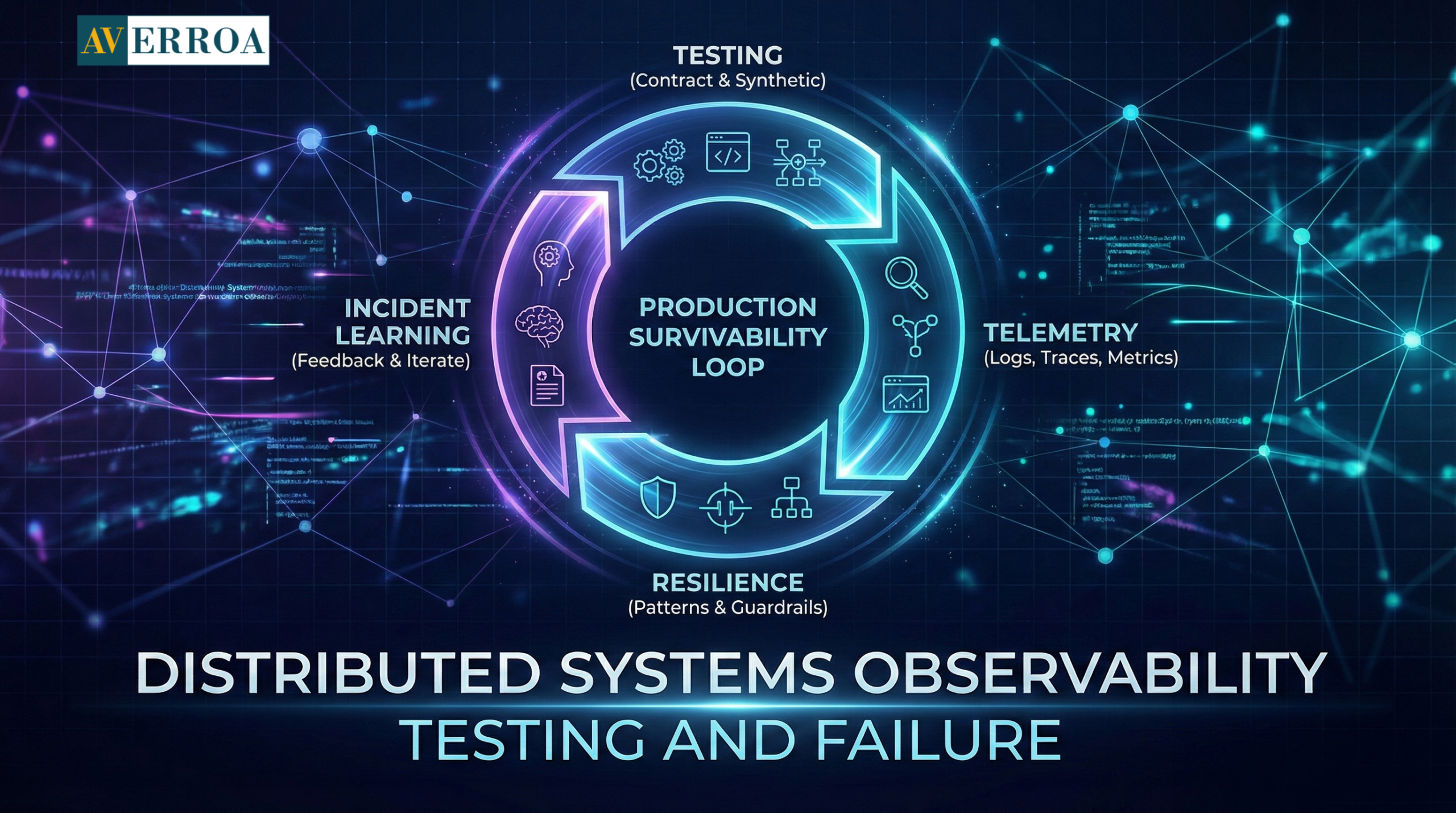
Most migrations succeed in a demo environment and fail in production. The reason is predictable: distributed systems do not fail like monoliths. They fail partially, they fail silently, and they fail in ways that look like “slow” rather than “down”. That is why distributed systems observability is now a board level capability, not an engineering nice to have.
Most migrations succeed in a demo environment and fail in production. The reason is predictable: distributed systems do not fail like monoliths. They fail partially, they fail silently, and they fail in ways that look like “slow” rather than “down”. That is why distributed systems observability is now a board level capability, not an engineering nice to have.
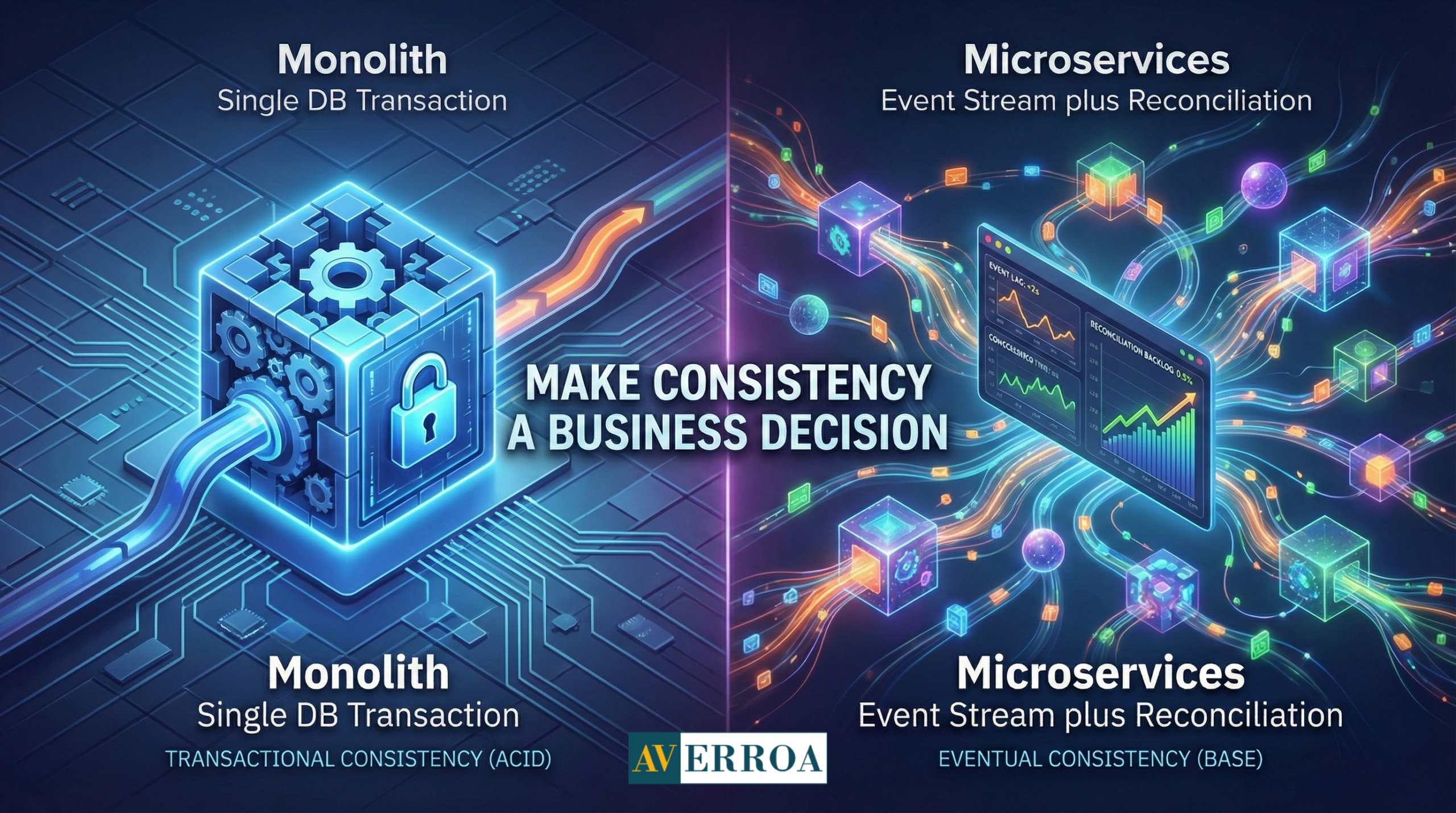
If you are migrating from a monolith to microservices, the hard part is not the APIs or the containers. It is the data. Specifically, it is how you maintain trust in your numbers when you no longer have one database, one transaction boundary, and one place to “just fix it”.
If you are migrating from a monolith to microservices, the hard part is not the APIs or the containers. It is the data. Specifically, it is how you maintain trust in your numbers when you no longer have one database, one transaction boundary, and one place to “just fix it”.
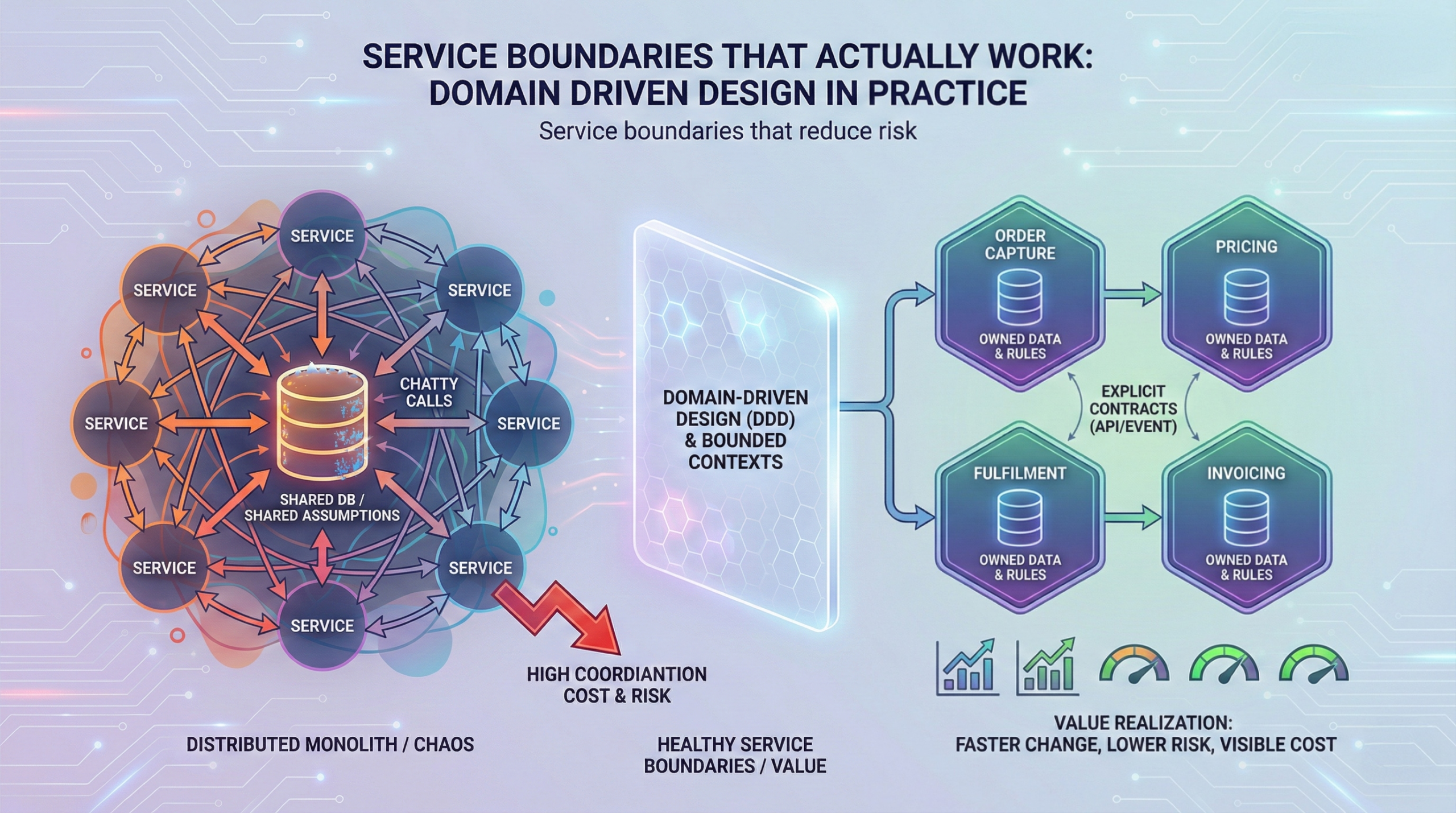
If your microservices programme disappoints, the root cause is often not Kubernetes, CI/CD, or cloud cost. It is service boundaries that do not match how the business actually works. When you slice a monolith the wrong way, you create a distributed monolith: more deployments, more integrations, and more incidents, with little agility to show for it.
If your microservices programme disappoints, the root cause is often not Kubernetes, CI/CD, or cloud cost. It is service boundaries that do not match how the business actually works. When you slice a monolith the wrong way, you create a distributed monolith: more deployments, more integrations, and more incidents, with little agility to show for it.
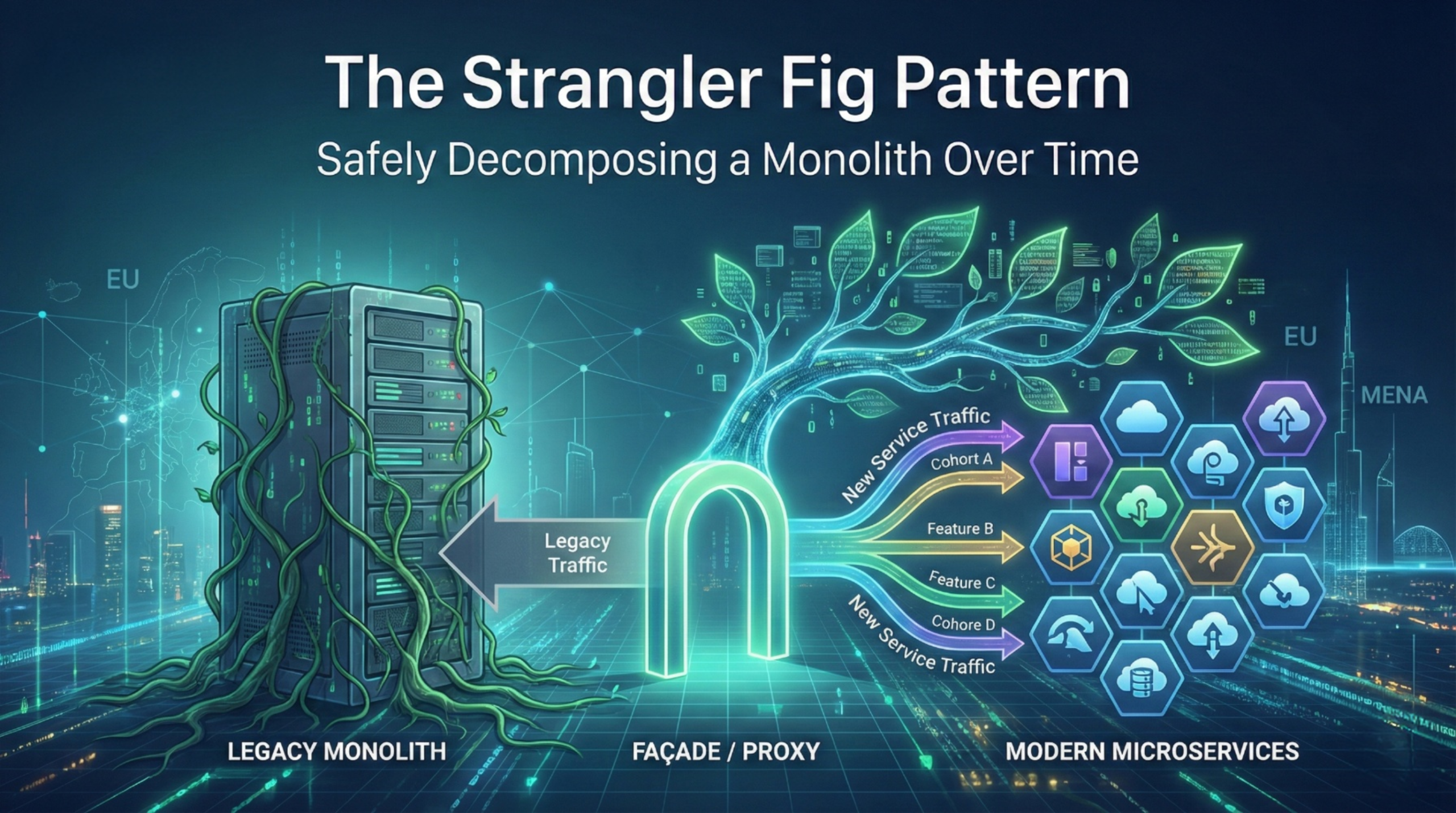
The strangler fig pattern has become the default migration play for a reason. It lets enterprises modernise without betting the business on a big bang cutover. That matters now because most organisations are under pressure to deliver faster while costs and risk are moving in the opposite direction.
The strangler fig pattern has become the default migration play for a reason. It lets enterprises modernise without betting the business on a big bang cutover. That matters now because most organisations are under pressure to deliver faster while costs and risk are moving in the opposite direction.
Agility Beyond IT shows how any team can deliver value faster through visibility, feedback loops, and adaptive decision making without adding chaos.
Agility Beyond IT shows how any team can deliver value faster through visibility, feedback loops, and adaptive decision making without adding chaos.
Case Studies

Client & Industry Context Group profile. A diversified group headquartered in Qatar, operating manufacturing and construction businesses with 160+ subsidiaries worldwide. The Board Office requested a secure, executive-grade platform to govern entity lifecycle management (incorporations, closures), Board & committee work, delegations and [...]
Client & Industry Context Group profile. A diversified group headquartered in Qatar, operating manufacturing and construction businesses with 160+ subsidiaries worldwide. The Board Office requested a secure, executive-grade platform to govern [...]

Client & Industry Context Region & scale (2022). A medium-sized industrial manufacturer in the Gulf operated 16 factories and worked with ~2,000 active suppliers. Core systems included SAP ERP for procurement and inventory management and OpenText Vendor Invoice Management (VIM) for accounts payable (AP). Day-to-day procurement work, howev [...]
Client & Industry Context Region & scale (2022). A medium-sized industrial manufacturer in the Gulf operated 16 factories and worked with ~2,000 active suppliers. Core systems included SAP ERP for procurement and inventory management and Op [...]

Client & Industry Context A diversified industrial and energy manufacturer headquartered in the Gulf Cooperation Council (GCC) region operates across manufacturing, EPC (engineering, procurement and construction), and services. The group manages thousands of suppliers, multiple legal entities, and a complex procure-to-pay (P2P) landscape in SA [...]
Client & Industry Context A diversified industrial and energy manufacturer headquartered in the Gulf Cooperation Council (GCC) region operates across manufacturing, EPC (engineering, procurement and construction), and services. The group manages [...]